-
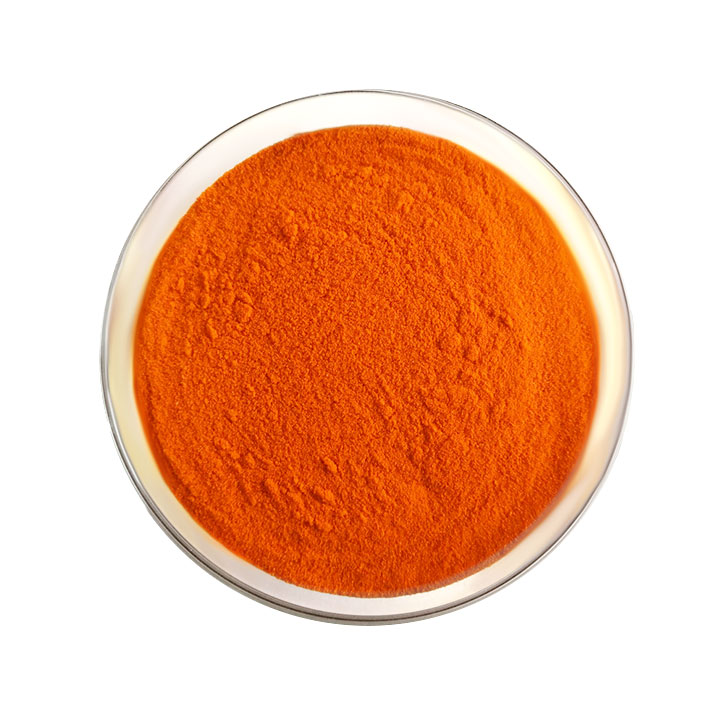
Cas No 15243-33-1 triruthenium dodecacarbonyl
Precious metal catalysts are noble metals widely used in the chemical industry owing to their ability to speed up the chemical process. Gold, palladium, platinum, rhodium, and silver are some of the examples of precious metals.
-
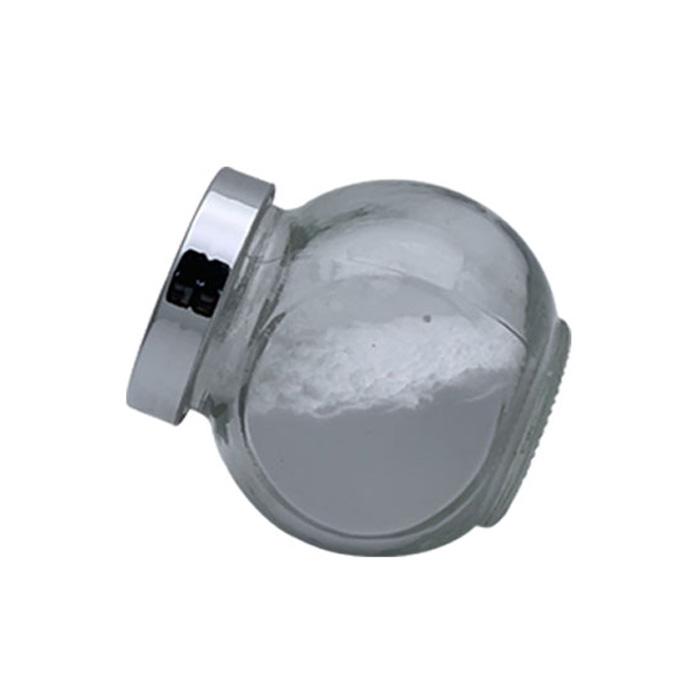
CAS 14564-35-3 dichlorocarbonyl bis(triphenylphosphine)ruthenium(ii)
Name: Dichlorocarbonylbis(triphenylphosphine)ruthenium (II)
CAS Number: 14564-35-3
Chemical formula: [(C6H5)3P]2Ru(CO)2Cl2
Molecular weight: 752.58
Precious metal content: 13.40%
Color and form: white powder
Storage requirements: airtight, dry and refrigerated
Water solubility: insoluble
Solubility: soluble in acetone
Melting point: 230-235°C
Sensitivity: stable to air and humidity
-
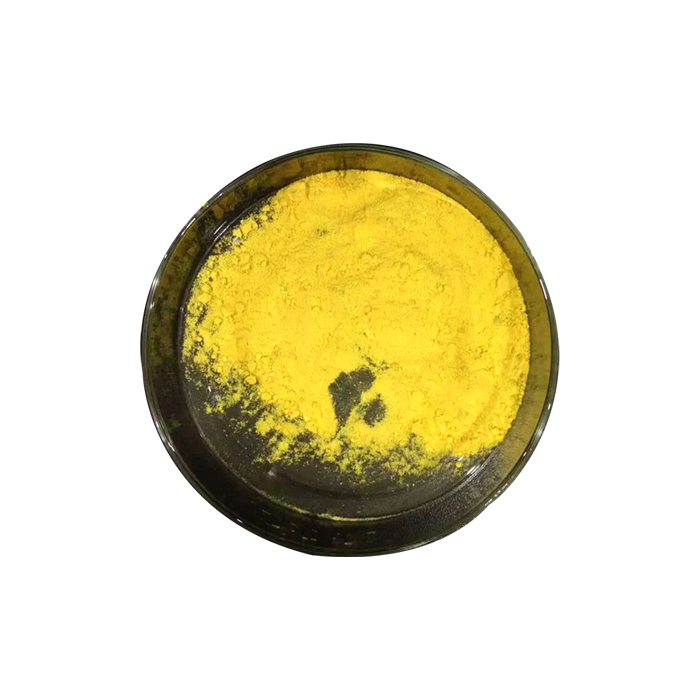
cas 13965-03-2 15.2% metal content bis(triphenylphosphine) palladium chloride
Bis(triphenylphosphine)palladium(II) chloride CAS:13965-03-2 is an organometallic complex. It is an efficient cross-coupling catalyst for C-C coupling reaction, such as Negishi coupling, Suzuki coupling, Sonogashira coupling and Heck coupling reaction.
Bis(triphenylphosphine)palladium(II) chloride CAS:13965-03-2 is a coordination compound of palladium containing two triphenylphosphine and two chloride ligands. It is a yellow solid that is soluble in some organic solvents. It is used for palladium-catalyzed coupling reactions, e.g. the Sonogashira–Hagihara reaction. The complex is square planar. Both cis and trans isomers are known. Many analogous complexes are known with different phosphine ligands.
Bis(triphenylphosphine)palladium(II) chloride CAS:13965-03-2 could be supplied in different size with competitive price.
-
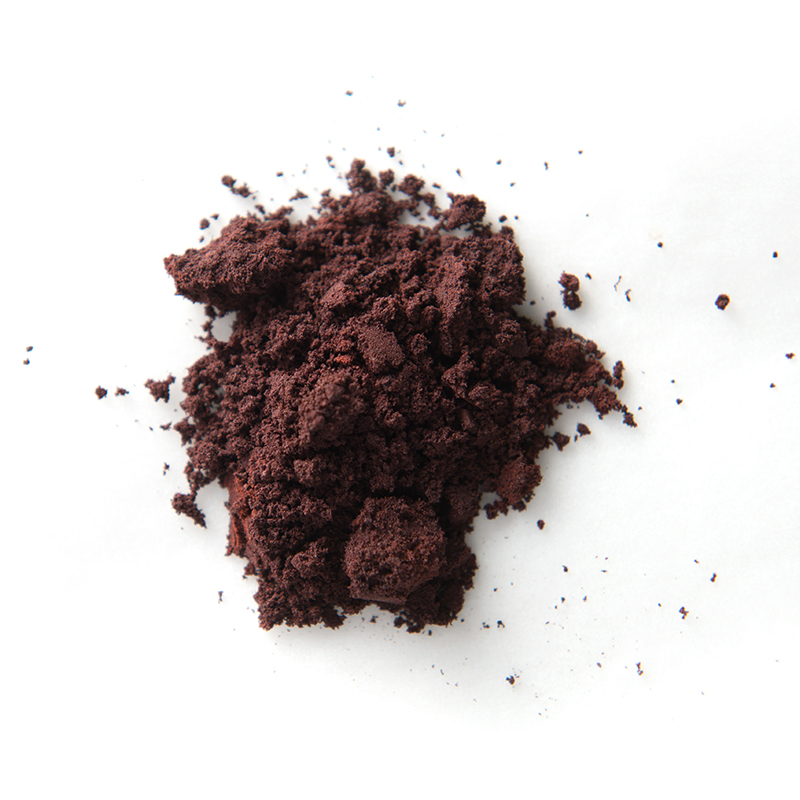
CAS 42196-31-6 Palladium(II) trifluoroacetate
Precious metal catalysts are noble metals widely used in the chemical industry owing to their ability to speed up the chemical process. Gold, palladium, platinum, rhodium, and silver are some of the examples of precious metals.
-
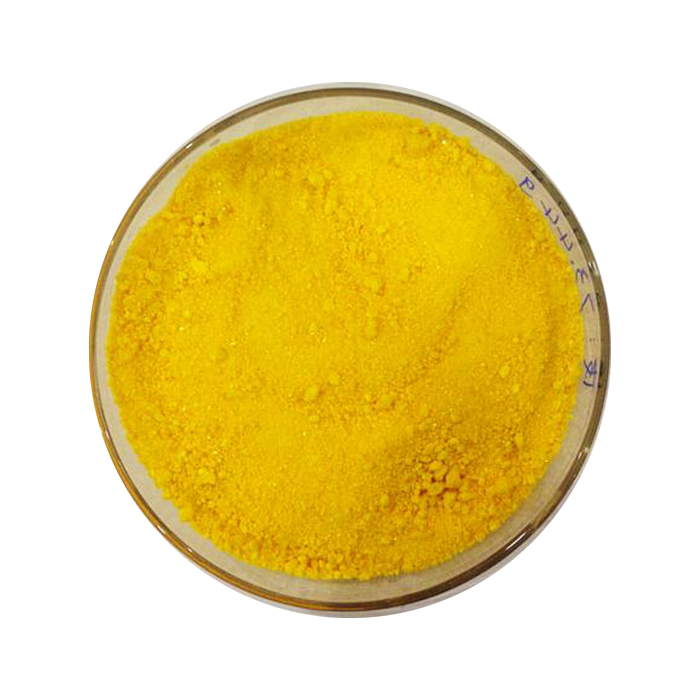
CAS 14024-61-4 palladium (ii) acetylacetonate
Precious metal catalysts are noble metals widely used in the chemical industry owing to their ability to speed up the chemical process. Gold, palladium, platinum, rhodium, and silver are some of the examples of precious metals.
-
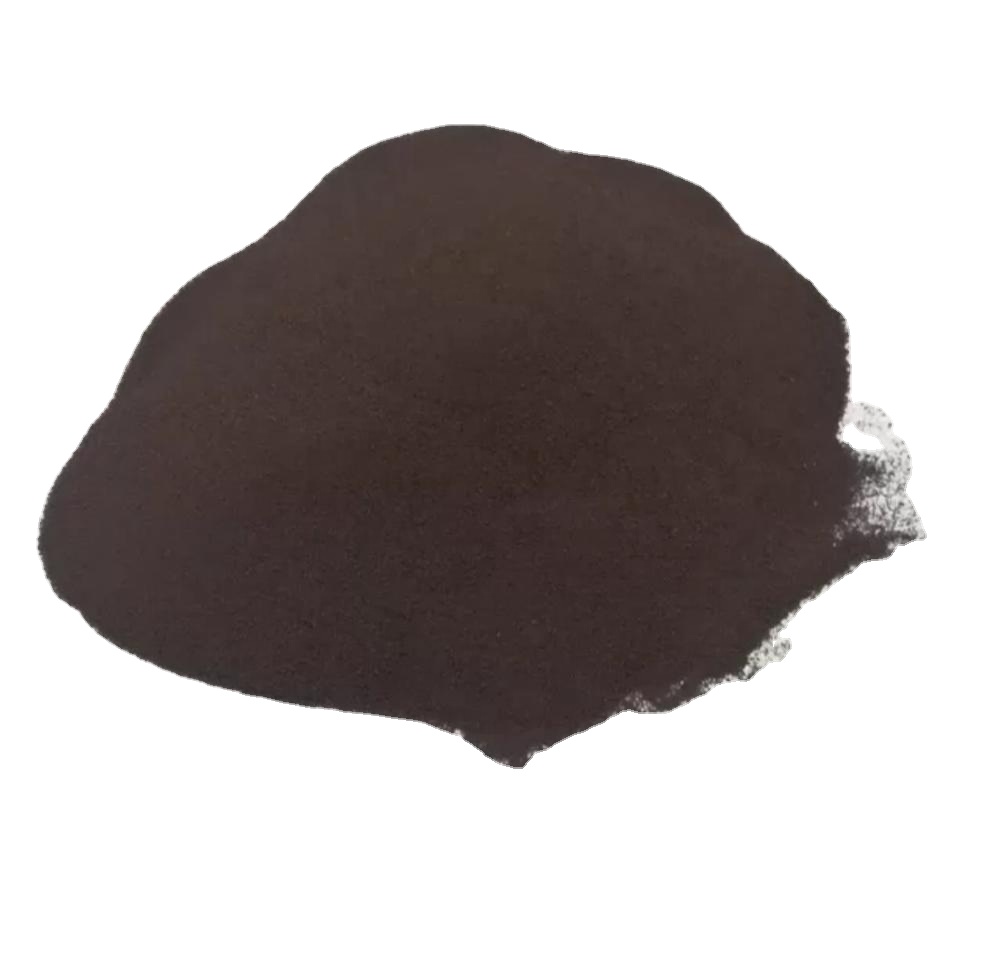
52522-40-4 Tris(dibenzylideneacetone)dipalladium chloroform complex
Name: Tris(dibenzylideneacetone)dipalladium-chloroform adduct
CAS Number: 52522-40-4
Chemical formula: Pd2(C6H5CH=CHOCH=CHC6H5)3 ·CHCl3;
Molecular weight: 1035.10
Precious metal content: 20.6%
Color and form: purple black powder
Storage requirements: airtight storage in a cool and dry place
Water solubility: insoluble
Melting point: 131-135°C
Sensitivity: stable in the air
Application: Used for cyclization catalysis and carbonylation reaction
-
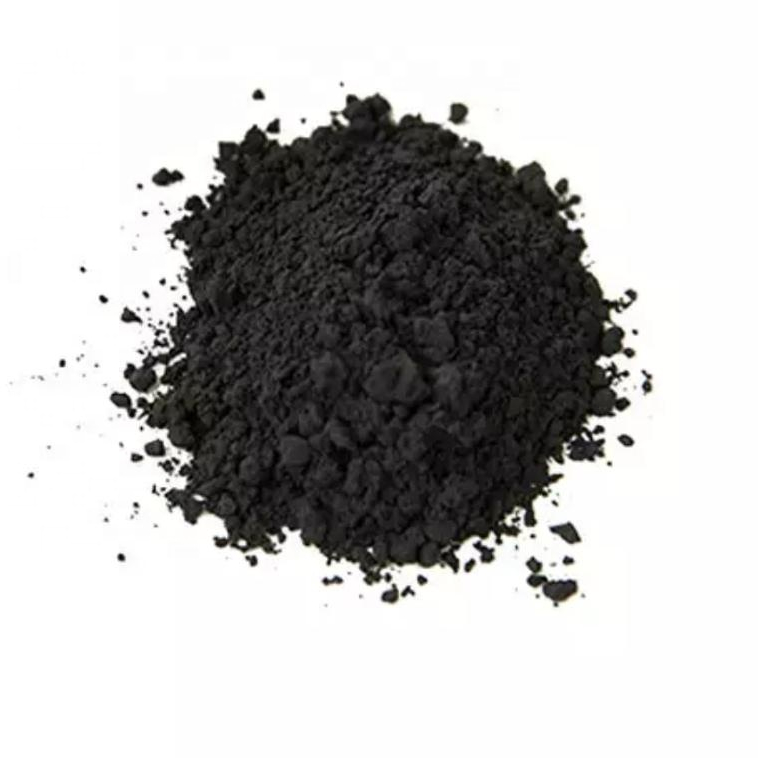
cas 12135-22-7 metal content 75.78% palladium(ii) hydroxide
Precious metal catalysts are noble metals widely used in the chemical industry owing to their ability to speed up the chemical process. Gold, palladium, platinum, rhodium, and silver are some of the examples of precious metals.
-
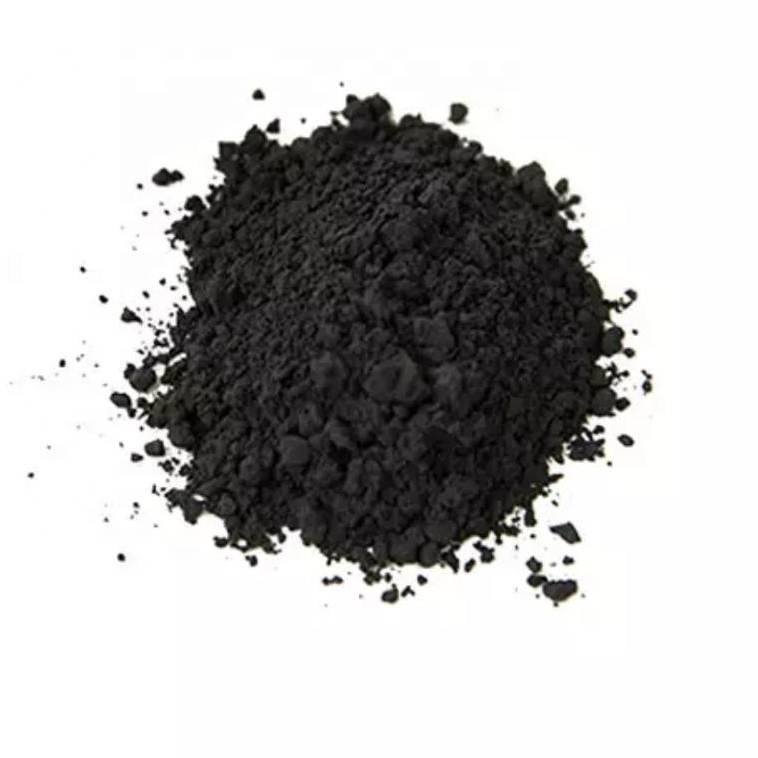
Cas no 7440-05-3 palladium black with 100% metal content
Product Name : Palladium Metal Powder
Appearance:gray metallic powder, no visible impurity and oxidation color
Mesh:200mesh
Molecular Formula : Pd
Molecular Weight :106.42
Melting Point :1554 °C
Boiling Point:2970 °C
Relative Density :12.02g/cm3
CAS No. :7440-5-3
-
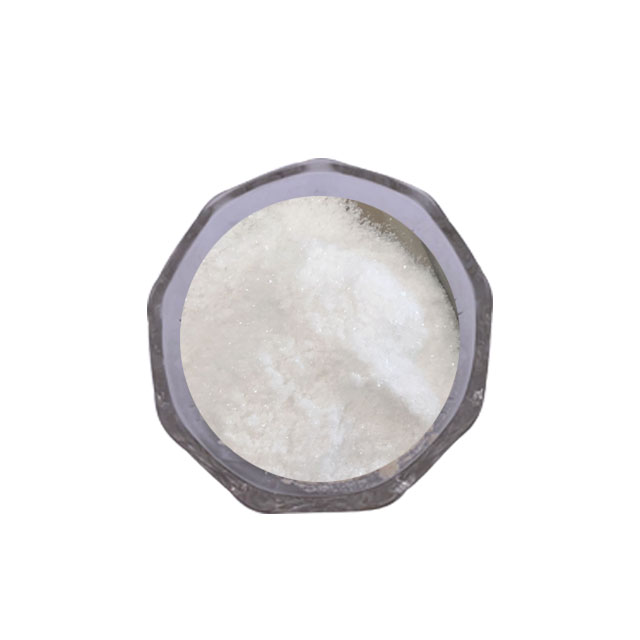
Factory supply best price CAS 7758-01-2 Potassium bromate
Potassium Bromate is known as Bromate, potassium, Bromic acid, potassium salt, comes with Molecular Formula of BrKO3.
Potassium Bromate is white crystal powder, with density 3.26 and melting point of 370℃. It is free of smell and taste salty and slightly bitter. It absorbs water easily and agg lomerates in the air, but does not deliquify. It dissovles easily in water, but slightly in alcohol. Its water solution is neutral.