

Date
· March 12,2026
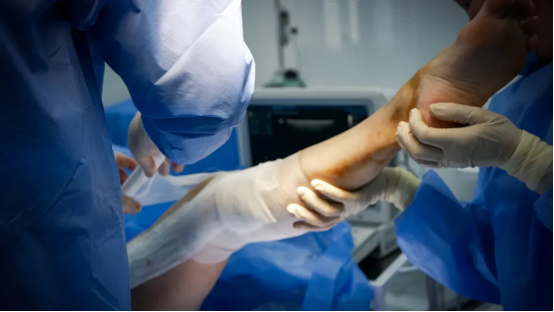
Image Source: pexels
You see Povidone Iodine used in hospitals for many important reasons. Check this table to learn about its common applications:
| Application Type | Description |
| Surgical Scrub | Pre- and post-operative skin cleansing |
| Wound Treatment | Treating and preventing infections in wounds, ulcers, cuts, and burns |
| Infection Prevention | Used in gynecology for treating vaginitis |
| Colonic Irrigation | Reducing abdominal wound infection during bowel surgery |
You notice Povidone Iodine helps lower infection rates and speeds up recovery. It supports safer patient care by reducing complications.
Key Takeaways
- Povidone Iodine is essential for surgical site preparation, helping to reduce infection rates and support faster recovery.
- This antiseptic effectively treats minor wounds, burns, and ulcers, promoting healing while minimizing the risk of infection.
- Using Povidone Iodine for hand hygiene is effective against many germs, making it a reliable choice for healthcare workers.
Povidone Iodine in Wound Care and Infection Prevention
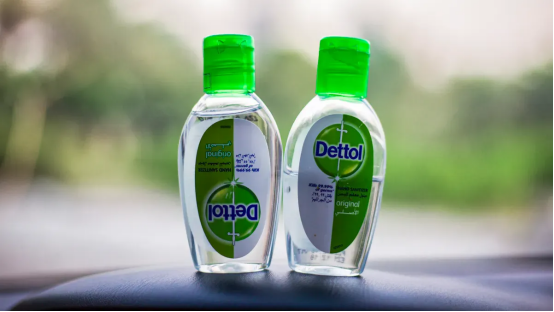
Image Source: pexels
Surgical Site Preparation with Povidone Iodine
You play an important role in keeping patients safe when you prepare a surgical site. Hospitals often choose Povidone Iodine for this step because it works quickly and covers a wide range of germs. You can see how hospitals use it by looking at common protocols:
| Protocol Step | Description |
| Traditional Method | Scrub the area for 5-7 minutes, then paint with Povidone Iodine solution. |
| Current Practice | Apply aqueous Povidone Iodine alone, no scrubbing needed. |
| Application Time | Use a sterile gauze swab for 3-4 minutes. |
| Drying Requirement | Let the antiseptic dry before surgery to prevent burns. |
You may wonder how well Povidone Iodine works compared to other antiseptics. Studies show that infection rates after surgery are similar whether you use Povidone Iodine or other common products like chlorhexidine. For example, a randomized study with 866 patients found no significant difference in surgical site infections between 10% Povidone Iodine and 0.5% chlorhexidine. Another review found that most studies did not show a big difference in infection rates between these two antiseptics.
Tip: Always let the antiseptic dry before starting surgery. This step helps prevent skin burns from surgical equipment.
You also need to know that Povidone Iodine fights many types of germs, including those that resist other treatments. This makes it a strong choice for protecting patients during surgery.
Treating Minor Cuts, Burns, and Ulcers
You can use Povidone Iodine for more than just surgery. It helps treat minor cuts, burns, and ulcers. When you apply it to a wound, it kills bacteria, viruses, and fungi. This action helps wounds heal faster and lowers the chance of infection.
Clinical studies show that Povidone Iodine does not slow down healing. In fact, it supports healing, especially in wounds with a lot of germs. Doctors often choose it for sensitive wounds or when you need to treat a wound for a long time. Here is a comparison of Povidone Iodine and other antiseptics:
| Characteristic | Povidone Iodine (PVP-I) | Other Antiseptics |
| Broad-spectrum antimicrobial activity | Yes | Varies |
| Safety profile | Favorable | Varies |
| Effect on wound healing | Supports healing | Varies |
| Resistance observed | Minimal | Significant in some cases |
| Application in infected wounds | Effective | Varies |
You may see Povidone Iodine used in emergency rooms and clinics for treating burns and ulcers. Doctors trust it because it works well and does not cause much irritation. In a clinical trial with 444 patients, researchers found no significant difference in infection rates between wounds treated with Povidone Iodine and those treated with other methods. This means you can rely on it for safe and effective care.
Note: Povidone Iodine is a good choice for wounds that need extra protection from infection. It works well even when wounds are already infected.
Povidone Iodine for Hospital-Acquired Infection Management
Image Source: pexels
Catheter and Device-Related Infection Prevention
You help protect patients from hospital-acquired infections when you use antiseptics on catheters and medical devices. Many hospitals choose Povidone Iodine for this purpose. It works well against common germs like S. aureus, which often cause surgical site infections. You may notice that hospitals use it because it is cost-effective and patients feel satisfied with the results.
Recent studies show how often hospitals use Povidone Iodine for infection management:
- Researchers reviewed 16 studies with over 8,000 patients and more than 12,000 catheters.
- About 35% of these catheters were central venous catheters, and 33% were arterial catheters.
- Hospitals use Povidone Iodine ointment at the catheter exit site after insertion and at the end of each dialysis session.
You can see how Povidone Iodine compares to other antiseptics in this table:
| Study Description | Findings |
| Comparison of CHX and PVP-I for catheter site care | CHX reduced the risk of catheter-related bloodstream infection by 49% compared to PVP-I. |
| Efficacy of CHX vs. PVP-I in epidural insertion | Catheters prepared with CHX were less likely to be colonized than those with 10% PVP-I. |
Tip: Always check that the antiseptic does not interact with the catheter material.
Hand Hygiene for Healthcare Workers
You play a key role in stopping the spread of germs by cleaning your hands. Hospitals recommend Povidone Iodine for hand disinfection. It works as well as alcohol-based sanitizers and is very effective against viruses like norovirus.
Here is a summary of hand hygiene practices:
| Evidence Type | Description |
| Hand Hygiene Protocol | Povidone Iodine is recommended for hand disinfection and surgical hand scrubs. |
| Antimicrobial Activity | Lower concentrations still kill many germs. |
| Hygienic Hand Disinfection | Removes or destroys transient microorganisms. |
You can trust Povidone Iodine to help keep both you and your patients safe.
Specialized Hospital Uses of Povidone Iodine
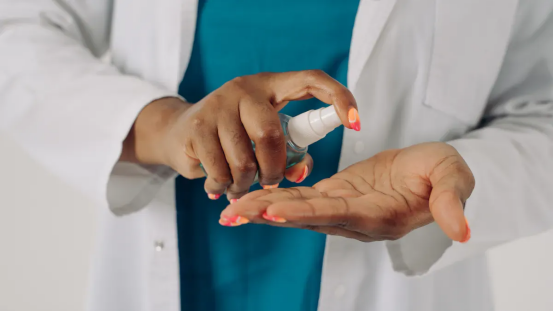
Image Source: pexels
Obstetrics and Gynecology Applications
You often see Povidone Iodine used in obstetrics and gynecology for cleaning the skin before surgery. Many hospitals use it for vaginal cleansing before cesarean delivery. This practice helps lower the number of germs on the skin. Some studies compare Povidone Iodine with chlorhexidine gluconate. These studies show that chlorhexidine gluconate lowers the risk of surgical site infections more than Povidone Iodine. You can look at the table below to see how the two antiseptics compare in different outcomes:
| Outcome | Povidone Iodine (PI) | Chlorhexidine Gluconate (CHG) | Risk Ratio (RR) | Confidence Interval (CI) |
| Surgical Site Infections | Higher risk | Lower risk | 1.71 | 95% CI: 1.30–2.26 |
| Superficial SSIs | Increased risk | Lower risk | 1.57 | N/A |
| Deep SSIs | Increased risk | Lower risk | 2.35 | N/A |
| Readmissions | Increased risk | Lower risk | 1.59 | N/A |
Image Source: statics.mylandingpages.co
You should know that guidelines still recommend Povidone Iodine for some gynecological surgeries. Many hospitals continue to use it because it is safe and easy to apply.
Ophthalmology and ENT Procedures
You find Povidone Iodine used in eye and ear, nose, and throat (ENT) procedures. Doctors use it to clean the eye before cataract surgery. This step helps prevent serious infections like endophthalmitis. Even at low concentrations, Povidone Iodine kills bacteria quickly. You may see doctors use a 5-10% solution for eye antisepsis, leaving it on for at least three minutes. This practice reduces the risk of infection from many types of germs, including those that resist other treatments.
You should remember a few important points:
- Povidone Iodine works well against many bacteria and even some tough germs.
- It is generally safe, but doctors may use lower concentrations if a patient has sensitive eyes.
- If a patient cannot tolerate it, doctors may choose another antiseptic.
You help keep patients safe by following these steps in specialized hospital care.
Real Stories of Healing with Povidone Iodine

Image Source: pexels
Case Study: Preventing Surgical Infections
You can see the impact of Povidone Iodine in real hospital settings. For over 150 years, hospitals have used this antiseptic to prevent and manage wound infections. You may notice its effectiveness against tough bacteria, including MRSA. At the First Affiliated Hospital of Hainan Medical University, doctors treated four patients with traumatic injuries. Within two weeks, you would observe significant improvements in wound healing and lower infection rates. These results show how important antiseptic choice is for patient recovery.
A literature review found that using 7.5% Povidone Iodine before surgery helps remove bacteria from the skin. This step reduces the risk of infection after surgery. When you compare infection rates, you see that 10% Povidone Iodine had a 2.4% infection rate, while 0.5% chlorhexidine had a 3.3% rate.
| Antiseptic Used | Infection Rate (%) |
| 10% Povidone Iodine | 2.4 |
| 0.5% Chlorhexidine | 3.3 |
Note: Proper use of antiseptics can shorten hospital stays and improve patient outcomes.
Case Study: Healing Chronic Wounds
You may care for patients with chronic wounds, such as diabetic foot ulcers or pressure sores. In these cases, Povidone Iodine supports healing, even when wounds contain many germs. Hospitals report that using 3% Povidone Iodine with a polyurethane foam dressing speeds up healing of diabetic foot ulcers over eight weeks. You can also see its use in sugar ointments for ischemic skin ulcers, which helps with tissue regeneration.
| Treatment Type | Clinical Outcome | Duration |
| 3% PV-I with polyurethane foam dressing | Accelerated healing of diabetic foot ulcers | 8 weeks |
| PV-I sugar ointment | Effective for ischemic skin ulcers and bone/joint regeneration | N/A |
You help patients heal faster and reduce complications by choosing the right antiseptic for each wound.
You see Povidone Iodine used in hospitals for wound care, infection prevention, and surgical preparation.
Povidone Iodine limits the spread of infectious diseases with strong antiviral, antibacterial, and antifungal effects.
You help patients heal faster and stay safe. Learn more about its benefits to improve hospital care.
FAQ

Image Source: unsplash
What makes Povidone Iodine effective in hospitals?
You use Povidone Iodine because it kills bacteria, viruses, and fungi fast. It works on skin and wounds without causing irritation.
Can you use Povidone Iodine for hand hygiene?
You can use Povidone Iodine for hand washing. It removes germs quickly and helps prevent infections in hospital settings.
Tip: Always follow hospital guidelines for hand hygiene to protect yourself and your patients.
How do you store Povidone Iodine safely?
You keep Povidone Iodine in a cool, dry, and dark place. This storage keeps it stable and ready for use.
| Storage Condition | Why Important? |
| Cool | Maintains effectiveness |
| Dry | Prevents clumping |
| Dark | Protects from light |
Post time: Mar-17-2026