

Date
· January 29,2026

Image Source: unsplash
You can trust tripotassium phosphate K3PO4 CAS 7778-53-2 food grade to make your food safer and improve its texture. This ingredient helps control microbes that could spoil food. You also notice better texture right away. Many food producers use it to ensure high quality in every product.
Key Takeaways
- Tripotassium phosphate K3PO4 enhances food safety by controlling pH levels, making it harder for harmful microbes to grow.
- Using tripotassium phosphate improves food texture, keeping products moist and preventing separation in emulsions.
- This ingredient meets strict food safety standards, ensuring high quality and consistency in various food products.
Tripotassium Phosphate K3PO4 CAS 7778-53-2 Food Grade: What Is It?
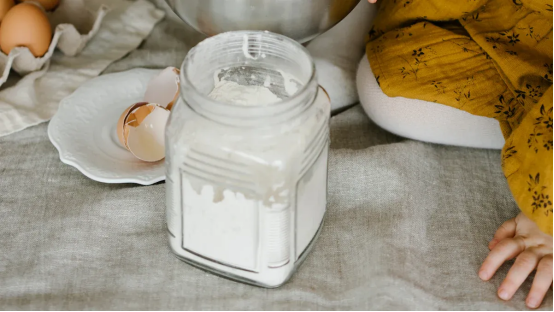
Image Source: pexels
Chemical Properties and Purity
Tripotassium phosphate K3PO4 is a white, water-soluble solid. You can find it in many food products because it blends easily and works well as an additive. Its purity reaches 98%, which means you get a high-quality ingredient. The compound acts as a buffering agent, helping you control pH levels in foods. It also works as an emulsifier and foaming agent, improving texture and stability. When you use tripotassium phosphate, you help keep food safe by limiting unwanted microbes.
| Property | Description |
| Solubility | Tripotassium phosphate is a water-soluble ionic salt. |
| Emulsifier | It acts as an emulsifier in food applications. |
| Foaming Agent | It serves as a foaming agent, enhancing texture in food products. |
| Antimicrobial Agent | In combination with fatty acids, it has potential antimicrobial properties. |
Food Grade Specifications and Standards
You need to make sure tripotassium phosphate meets strict food grade standards before using it. These standards protect you and ensure product safety. The Food Chemicals Codex (FCC), FAO/WHO, and GB 25563-2010 set the rules for purity and safety. You can check the specifications in the table below.
| Specification | Requirement |
| Minimum Purity (K3PO4) | ≥ 98% |
| Potassium Hydroxide (K2O) | ≥ 66% |
| Phosphorus Pentoxide (P2O5) | ≥ 33.4% |
| pH of 1% Water Solution | ≤ 12.1 |
| Heavy Metals (as Pb) | ≤ 0.002% |
| Arsenic (as As) | ≤ 0.0003% |
| Water Insoluble Content | ≤ 0.2% |
| Loss on Ignition | ≤ 2.3% |
You can see how different countries and organizations set standards for food safety in the table below.
| Standard | Description |
| GB 25563-2010 | National standard for food safety in China. |
| FCC | Food Chemicals Codex, ensuring quality and safety. |
| FAO/WHO | Standards set by the Food and Agriculture Organization and World Health Organization for food additives. |
Maximum permitted limits for tripotassium phosphate vary by food category. The chart below shows how much you can use in different products.
Image Source: statics.mylandingpages.co
How Tripotassium Phosphate K3PO4 CAS 7778-53-2 Food Grade Enhances Food Safety

Image Source: unsplash
pH Regulation and Microbial Control
You want your food to stay fresh and safe. Tripotassium phosphate K3PO4 CAS 7778-53-2 food grade helps you achieve this by controlling the pH level in processed foods. When you add this compound, you create an environment where harmful microbes struggle to survive. Many bacteria and molds need a certain pH to grow. By adjusting the pH, you make it harder for them to multiply.
Phosphates like tripotassium phosphate can stop the growth of some microorganisms, especially gram-positive bacteria. The length of the phosphate chain matters. Longer chains work better at stopping bacteria. These phosphates can also bind to metal ions that bacteria need for their cell walls. When this happens, bacteria lose their strength and cannot survive. You also see that polyphosphates can prevent spore-forming bacteria from growing. This means your food stays safer for longer.
Tip: When you use tripotassium phosphate K3PO4 CAS 7778-53-2 food grade, you help keep your food safe from unwanted germs by making the environment less friendly for them.
Inhibiting Spoilage and Pathogens
You want your food to last longer without losing quality. Tripotassium phosphate K3PO4 CAS 7778-53-2 food grade helps you do this by acting as a buffering agent and emulsifier. These roles help keep the pH stable and prevent spoilage. When the pH stays balanced, bacteria and molds cannot grow easily. You see this effect in dairy products, baked goods, and many other foods.
Tripotassium phosphate also helps improve the shelf life of processed foods. It keeps your food stable and fresh. You notice that your products do not spoil as quickly. This compound works by stopping the growth of harmful bacteria and molds. You get food that stays safe and tasty for longer periods.
- You can use tripotassium phosphate K3PO4 CAS 7778-53-2 food grade in:
- Dairy products
- Meat products
- Baked goods
- Sauces and dressings
When you choose this ingredient, you protect your food from spoilage and dangerous pathogens. You give your customers peace of mind and better quality.
Improving Food Texture with Tripotassium Phosphate K3PO4 CAS 7778-53-2 Food Grade
Image Source: pexels
Moisture Retention in Processed Foods
You want your food to stay juicy and fresh. Tripotassium phosphate K3PO4 CAS 7778-53-2 food grade helps you keep moisture inside processed foods. This ingredient works well in meat and seafood products. When you add it, you notice that your bacon, sausage, or canned tuna stays moist and does not dry out.
- You get better water retention in your products.
- The structure of your food becomes stronger and more cohesive.
- You prevent fat from breaking down, which helps your food last longer.
You can use this compound in many foods. It helps keep your meat and seafood tasty and appealing. You also see that the shelf life improves, so your products stay good for a longer time.
Tip: If you want to keep your processed foods moist and delicious, try using tripotassium phosphate K3PO4 CAS 7778-53-2 food grade.
Emulsification and Stability
You often mix ingredients like oil and water when you make foods such as salad dressings, sauces, or dairy products. These ingredients do not blend easily. Tripotassium phosphate K3PO4 CAS 7778-53-2 food grade acts as an emulsifier. It helps you mix fats, oils, and water so your food looks smooth and tastes better.
This compound also works as a stabilizer in dairy foods. You can use it in ice cream, yogurt, or cheese. It stops crystals from forming and keeps your products from separating. Your ice cream stays creamy, and your cheese does not become grainy. You get a longer shelf life and a better eating experience.
Enhancing Mouthfeel and Consistency
You want your food to feel good when you eat it. Tripotassium phosphate K3PO4 CAS 7778-53-2 food grade helps you improve the mouthfeel and consistency of many foods. When you add it, your products become smoother and more enjoyable to eat.
You notice that sauces become silkier, and dairy products feel creamier. Processed meats hold together better and do not crumble. This ingredient gives you control over the final texture, so you can make foods that your customers love.
Note: A good mouthfeel makes your food stand out. Using the right additives can help you achieve the perfect texture every time.
Safety and Regulatory Status of Tripotassium Phosphate K3PO4 CAS 7778-53-2 Food Grade

Image Source: pexels
Approval by Food Authorities
You want to know if your food ingredients are safe. Tripotassium phosphate K3PO4 CAS 7778-53-2 food grade meets strict standards set by global food authorities. Groups like the FAO, WHO, and the Food Chemicals Codex approve its use in food products. These organizations check purity, safety, and quality before allowing it in your food. You can trust that this ingredient follows national and international guidelines.
Typical Usage Levels in Food Products
You need to use the right amount of tripotassium phosphate in your recipes. Food safety agencies set maximum allowable levels for different food categories. The table below shows how much you can add to each type of food:
| Food Category | Maximum Allowable Level |
| Non-alcoholic flavored beverages | 700 mg/l |
| UHT milk | 1 g/l |
| Melted cheese | 20 g/kg |
| Meat products | 5 g/kg |
| Bakery and pastry products | 20 g/kg |
| Processed grain-based foods | 40,000 mg/kg |
You can see more details in the chart below:
Image Source: statics.mylandingpages.co
Tip: Always check the recommended levels for your specific food product to keep it safe and high quality.
Safe Consumption Guidelines
You want to keep your food safe for everyone. Always follow the guidelines set by food authorities. Use tripotassium phosphate K3PO4 CAS 7778-53-2 food grade within the recommended limits. This helps you avoid health risks and ensures your food stays safe. If you make food for special groups, like infants or people with health conditions, use even lower amounts. You should read labels and safety instructions before adding any ingredient.
Key Benefits of Tripotassium Phosphate K3PO4 CAS 7778-53-2 Food Grade in Food Processing

Image Source: unsplash
Versatility Across Food Types
You can use tripotassium phosphate K3PO4 CAS 7778-53-2 food grade in many kinds of foods. This ingredient works well in meat, dairy, baked goods, and beverages. You see it used as a buffering agent to keep pH levels stable, which helps preserve flavor and control microbes. It also acts as an emulsifier, blending oil and water in foods like cheese and sauces. You get better texture and appearance because it works as a stabilizer. If you want to add more potassium to your products, this compound helps with nutrient fortification.
| Application Type | Description |
| Buffering Agent | Maintains stable pH levels in food products, crucial for flavor preservation and microbial control. |
| Emulsifier | Aids in blending oil and water in products like processed cheese and sauces, preventing separation. |
| Stabilizer | Contributes to the stability of food products, maintaining texture and appearance during processing. |
| Nutrient Fortification | Serves as a potassium source, valuable for fortifying food products aimed at health-conscious consumers. |
- In Egypt, you find food manufacturers using tripotassium phosphate to regulate acidity in baked goods and beverages. This improves stability and boosts nutrition.
Tip: You can choose this ingredient for a wide range of foods to get better results and meet different needs.
Consistency and Quality Assurance
You want your food products to look and taste the same every time. Tripotassium phosphate K3PO4 CAS 7778-53-2 food grade helps you achieve this goal. You get reliable results because it keeps moisture, texture, and appearance consistent. When you use this compound, you support quality control in your production line.
| Specification | Value |
| Assay | 95.0+% (Titration)(After Ignition) |
You see that high purity levels help maintain product standards. You can trust your food to meet safety and quality requirements. This means your customers get the same great experience with every bite.
Note: Consistent quality builds trust with your customers and helps your brand stand out.
You can rely on Tripotassium phosphate K3PO4 CAS 7778-53-2 food grade for safe, high-quality foods. It meets top standards for food safety and texture.
| Regulatory Standard | Description |
| FCC | Food Chemicals Codex standards |
| ISO 22000 | Food safety compliance |
- Recent advancements improve texture and stability.
- Future trends focus on better taste and sustainability.
FAQ

Image Source: pexels
What foods can you use tripotassium phosphate in?
You can add tripotassium phosphate to meat, dairy, baked goods, and beverages.
Tip: Always check food safety guidelines before using it.
Is tripotassium phosphate safe for you to eat?
You can safely consume tripotassium phosphate when you follow recommended levels.
| Authority | Status |
| FAO/WHO | Approved |
| FCC | Approved |
How does tripotassium phosphate improve food texture?
You get better moisture retention, smoother mouthfeel, and stable emulsions.
- Your cheese stays creamy
- Your meats remain juicy
- Your sauces blend well
Post time: Feb-04-2026